


Estimated reading time: 9 minutes
For homeowners’ associations and condominium communities throughout Florida, reserve studies have become one of the most important tools for long term financial planning and property protection.
From roofing systems and elevators to swimming pools, pavement, and structural components, every shared asset in a community eventually requires repair or replacement. Without proper reserve funding, associations often face special assessments, deferred maintenance, financing issues, and increased safety risks.
As Florida regulations continue evolving and lenders place greater emphasis on financial stability, reserve studies are no longer viewed as optional planning tools. They are becoming essential for responsible community management.
This guide explains what reserve studies are, why they matter, how often they should be updated, and what Florida associations need to know moving forward.
What Is a Reserve Study?
A reserve study is a professional evaluation that helps an HOA or condominium association plan financially for future major repairs and replacements.
The study identifies:
- Common area components the association is responsible for maintaining
- The current condition of those components
- Remaining useful life estimates
- Expected replacement costs
- Recommended annual reserve contributions
Reserve studies are designed to help associations avoid sudden financial shortfalls when expensive capital projects arise.
Typical components included in a reserve study include:
- Roof systems
- Elevators
- HVAC equipment
- Structural concrete
- Asphalt and pavement
- Pools and spas
- Clubhouses
- Plumbing infrastructure
- Exterior painting and waterproofing
- Drainage systems
- Security gates and lighting


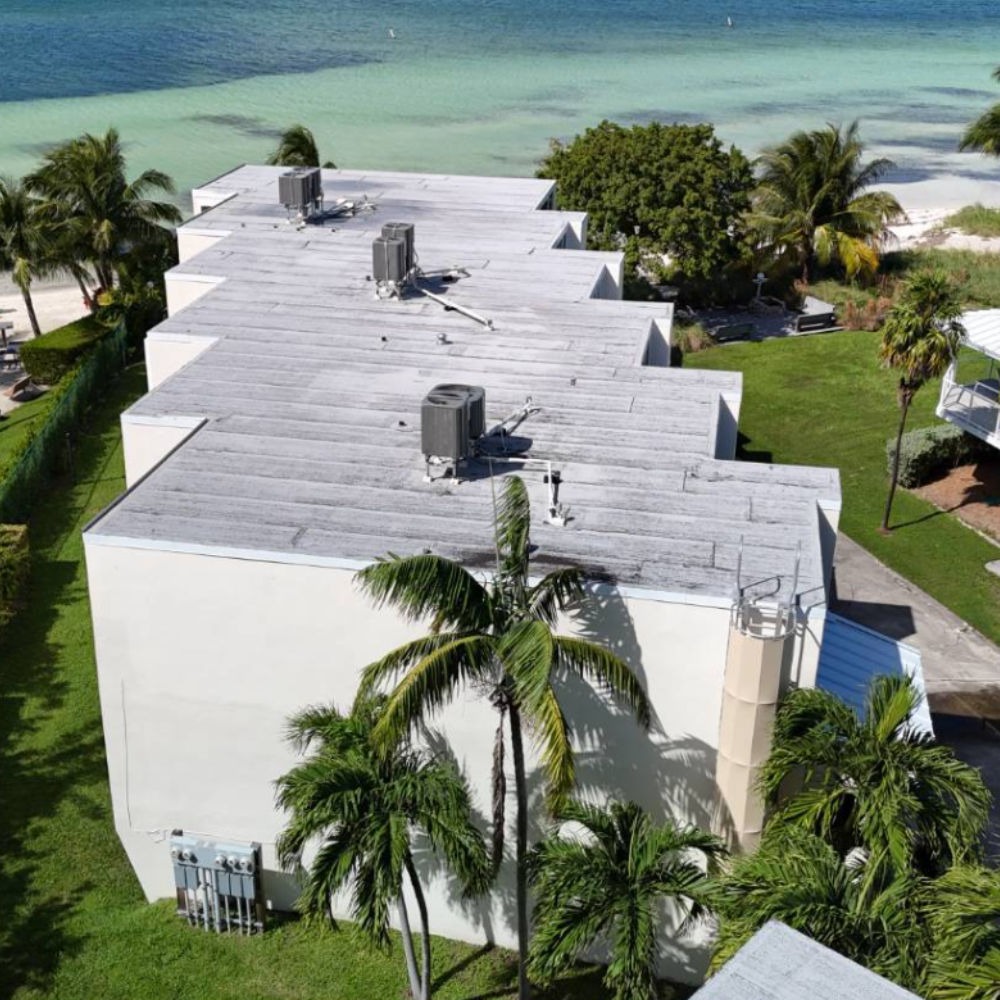
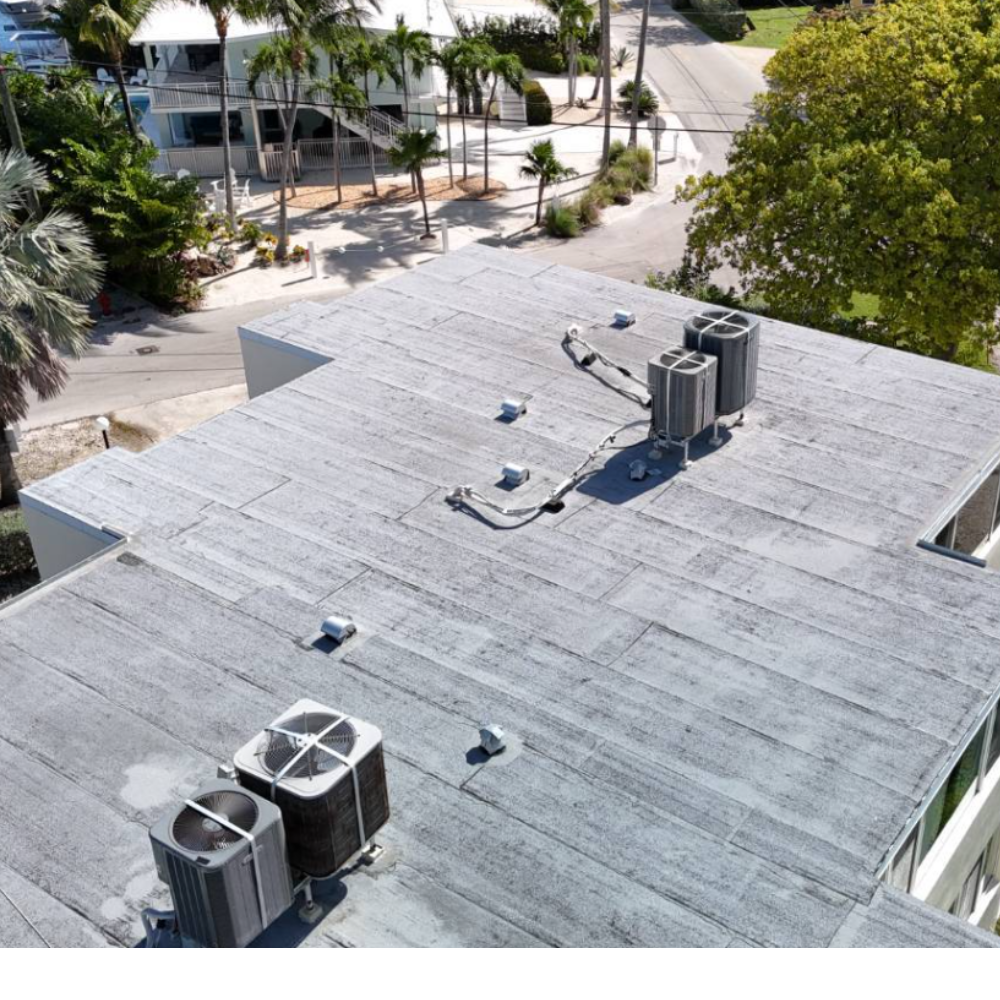

A properly prepared reserve study gives board members a roadmap for maintaining the community while reducing the likelihood of unexpected special assessments.
What Is a Reserve Fund?
A reserve fund is the money set aside by an association specifically for future major repair and replacement projects.
Reserve funds are different from operating budgets.
Operating budgets cover:
- Landscaping
- Utilities
- Routine maintenance
- Insurance
- Administrative expenses
Reserve funds cover:
- Roof replacement
- Pool resurfacing
- Elevator modernization
- Structural restoration
- Asphalt replacement
- Major mechanical system upgrades
The goal is to gradually collect funds over time so homeowners are financially prepared before major components fail.
Why Are Reserve Studies Important in Florida?
Florida communities face unique environmental and structural challenges that accelerate wear on buildings and infrastructure.
These include:
- Salt air corrosion
- Hurricanes and tropical storms
- Extreme UV exposure
- High humidity
- Heavy rainfall
- Aging condominium infrastructure
Reserve studies help associations proactively manage these conditions instead of reacting to emergencies after failures occur.
Reserve planning has also become increasingly important due to:
- New Florida structural safety legislation
- Rising insurance costs
- Increased lender scrutiny
- Escalating construction expenses
- Financing requirements from Fannie Mae and Freddie Mac
Communities with poorly funded reserves may experience:
- Difficulty obtaining financing for buyers
- Lower property values
- Deferred maintenance issues
- Increased special assessments
- Higher long term repair costs
Is a Reserve Study Mandatory in Florida?
Florida reserve requirements depend on the type of association and the building structure involved.
For many condominium associations, recent Florida legislation has significantly expanded reserve funding and inspection requirements, particularly for older buildings and structurally significant components.
Condominium associations may now be required to maintain reserves for certain structural items and cannot always waive reserve funding through member votes as they could previously.
For HOA communities governed under different statutes, reserve studies may not always be legally required, but they are still strongly recommended for responsible financial planning.
Because laws continue evolving, associations should work with qualified engineering and legal professionals to ensure compliance with current Florida regulations.
How Often Should a Florida HOA Get a Reserve Study?
Most industry professionals recommend updating reserve studies every 3 to 5 years.
However, some communities may require more frequent updates depending on:
- Property age
- Building condition
- Coastal exposure
- Recent storm damage
- Rising construction costs
- Large upcoming projects
Annual financial updates are also beneficial between full reserve studies to account for inflation and changing replacement costs.
Communities with aging infrastructure or deferred maintenance should consider more frequent evaluations.
How Long Is a Reserve Study Good For?
A reserve study is only accurate as long as the underlying assumptions remain valid.
Factors that can quickly change reserve projections include:
- Inflation
- Construction pricing
- Material shortages
- Storm damage
- Accelerated deterioration
- Delayed maintenance
While many reserve studies remain generally useful for several years, associations should review them annually and update them periodically to ensure funding plans remain realistic.
Are Reserve Studies Worth It?
Yes. In most cases, reserve studies save associations significant money over time.
Without proper planning, associations often rely on emergency repairs and special assessments, which can create financial hardship for homeowners and lead to delayed maintenance.
Benefits of reserve studies include:
- Improved financial stability
- Better budgeting accuracy
- Reduced likelihood of special assessments
- Increased lender confidence
- Better property value protection
- Improved maintenance planning
- Enhanced safety and risk management
Reserve studies also help boards make informed decisions instead of reacting to emergencies under financial pressure.
What’s a Good Rule of Thumb for HOA Reserves?
A common baseline recommendation is that associations contribute enough annually to maintain adequately funded reserves based on projected future repair and replacement obligations.
Historically, some associations budgeted approximately 10% toward reserves. However, lending and financing expectations are changing.
Fannie Mae and Freddie Mac have increased scrutiny regarding reserve funding levels, and many communities are now targeting stronger reserve balances to maintain financing eligibility and reduce risk exposure.
The appropriate reserve amount depends on factors such as:
- Age of the community
- Size of the association
- Amenities offered
- Deferred maintenance
- Structural complexity
- Replacement cost projections
There is no universal percentage that works for every property. Professional reserve studies provide the most accurate funding recommendations.
How Much Does a Reserve Study Cost for an HOA?
Reserve study costs vary depending on the size and complexity of the property.
Factors affecting pricing include:
- Number of buildings
- Square footage
- Amenities
- Structural complexity
- Age of the property
- Scope of engineering evaluation
Smaller associations may pay a few thousand dollars, while large condominium communities with extensive amenities and structural systems may require significantly more comprehensive evaluations.
Although reserve studies involve upfront costs, they are generally far less expensive than emergency repairs or poorly planned special assessments.
Is a Reserve Study an Inspection?
Not exactly.
A reserve study is primarily a financial planning tool supported by physical observations of community components.
It evaluates:
- Condition
- Estimated remaining lifespan
- Replacement timing
- Future cost projections
However, reserve studies are not always as detailed as structural inspections, milestone inspections, or forensic engineering evaluations.
If visible deterioration or structural concerns are identified during a reserve study, additional engineering inspections may be recommended.
What Does an Engineering Team Evaluate During a Reserve Study?
Engineering professionals assess the physical condition and expected lifespan of major community assets.
This often includes reviewing:
- Roofing systems
- Structural concrete
- Drainage performance
- Waterproofing systems
- Pavement conditions
- Mechanical equipment
- Pool systems
- Exterior finishes
- Corrosion exposure
- Maintenance history
These evaluations help determine whether components are aging normally or require accelerated repair or replacement planning.
The Risk of Underfunded Reserves
Underfunded reserves can create major financial and safety concerns for associations.
Common consequences include:
Special Assessments
Owners may face large unexpected charges when reserve funds are insufficient.
Deferred Maintenance
Critical repairs may be postponed, leading to worsening deterioration.
Financing Problems
Lenders may hesitate to approve mortgages in financially unstable communities.
Insurance Challenges
Insurance carriers increasingly review building conditions and reserve planning practices.
Reduced Property Values
Poorly maintained communities often experience declining market appeal.
Best Practices for Florida Associations
Update Reserve Studies Regularly
Reserve studies should be reviewed and updated periodically to maintain accuracy.
Perform Preventive Maintenance
Routine maintenance extends component lifespan and reduces long term costs.
Avoid Artificially Low Dues
Keeping dues too low often creates major financial problems later.
Address Repairs Early
Small issues become much more expensive when delayed.
Work With Qualified Engineering Professionals
Engineering evaluations provide accurate condition assessments and realistic replacement projections.
Why Engineering Expertise Matters
Reserve studies are most effective when supported by experienced engineering professionals who understand Florida’s environmental conditions, structural risks, and building systems.
Engineering evaluations help associations:
- Identify hidden deterioration
- Prioritize repairs
- Estimate realistic replacement timelines
- Improve capital planning
- Support regulatory compliance
- Reduce long term financial risk
Professional guidance allows boards to make informed decisions that protect both residents and property values.
Reserve studies are one of the most important financial and maintenance planning tools available to Florida community associations.
As building safety requirements evolve and infrastructure continues aging across the state, associations that proactively plan for future repairs will be far better positioned financially and operationally.
Well funded reserves help communities:
- Avoid financial emergencies
- Preserve property values
- Improve resident confidence
- Maintain lender eligibility
- Support long term building safety
Florida Engineering LLC provides engineering evaluations and reserve planning support for homeowners’ associations and condominium communities throughout Florida, helping associations make informed decisions about infrastructure, maintenance, and long term capital planning.