



Published: June 2026
Florida condominium associations are entering another critical year for building safety compliance, reserve funding, and structural maintenance. While some owners and board members expected major new legislation in 2026, the reality is different.
The most significant changes affecting Florida condominium milestone inspections in 2026 stem from CS/CS/HB 913, which became Chapter 2025-175, Laws of Florida. The legislation was approved by Governor Ron DeSantis on June 23, 2025, and generally took effect on July 1, 2025.
For condominium boards, community association managers, engineers, reserve specialists, and prospective buyers, understanding how HB 913 is being implemented in 2026 is essential for compliance, budgeting, and risk management.
Key Takeaways for Florida Condo Associations in 2026
- Milestone inspections apply to condominium and cooperative buildings with three or more habitable stories.
- The first inspection is generally required at 30 years after the certificate of occupancy.
- Some local jurisdictions may require the first inspection at 25 years due to environmental conditions such as saltwater exposure.
- Buildings reaching 30 years of age in 2026 should generally plan for a December 31, 2026 milestone inspection deadline.
- Phase 1 inspections must be completed within 180 days after receiving official notice.
- Phase 2 inspections are required when substantial structural deterioration is identified.
- Required repairs must begin within 365 days after the local enforcement agency receives the Phase 2 report.
- New conflict-of-interest rules now apply to engineers, architects, contractors, and inspection firms.
- Milestone inspection requirements continue to interact closely with Structural Integrity Reserve Studies (SIRS).


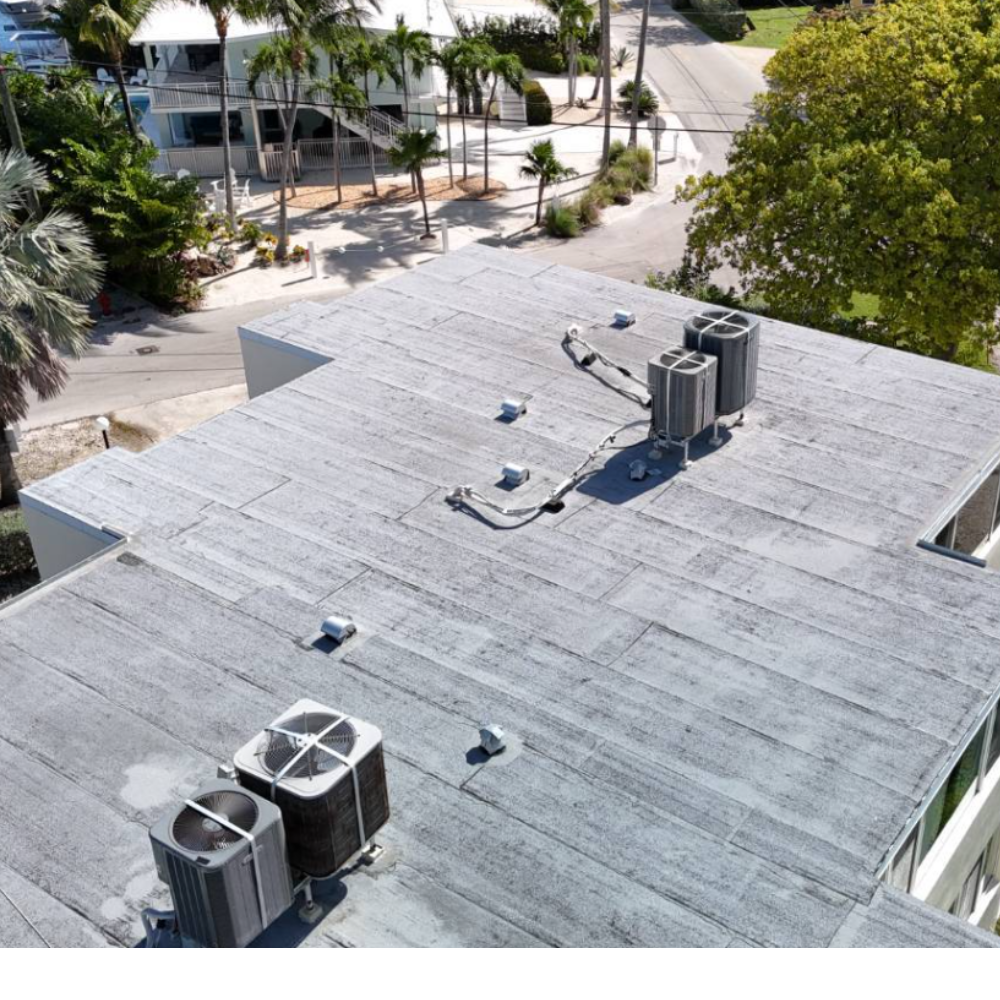
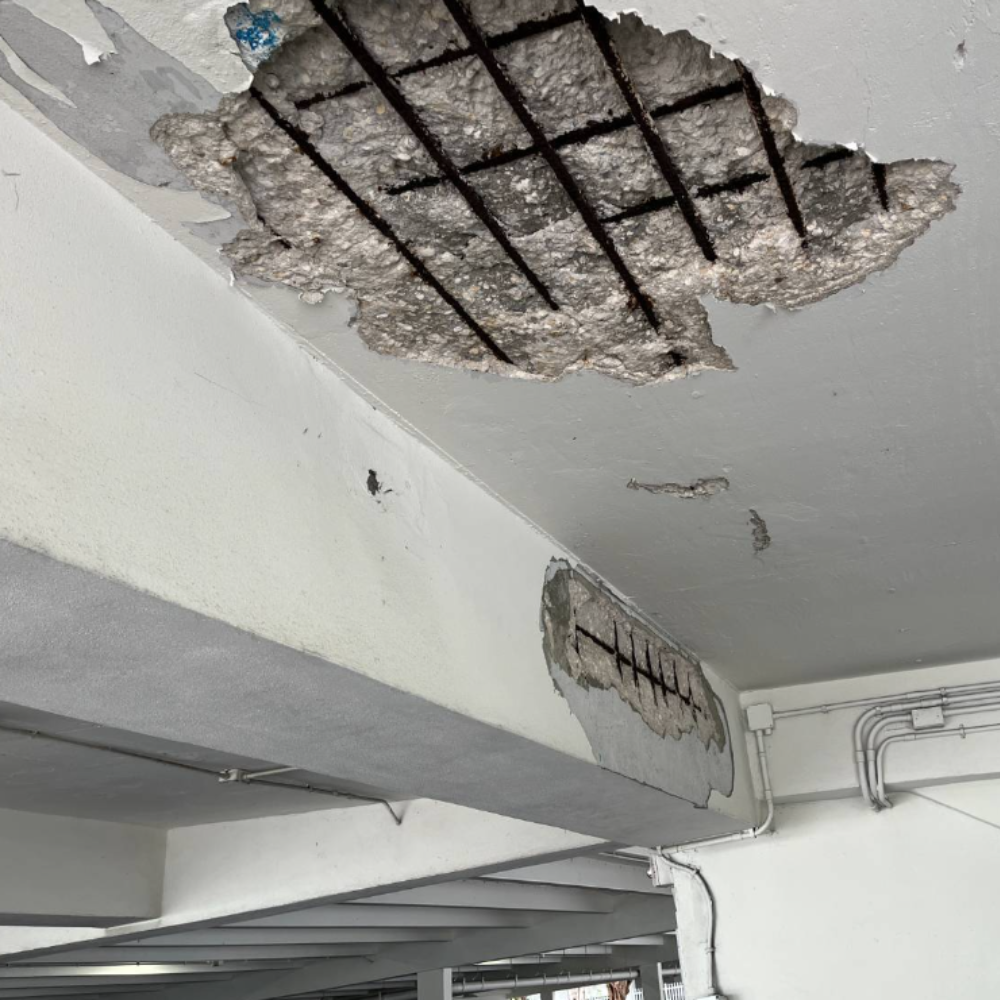
What Is a Florida Milestone Inspection?
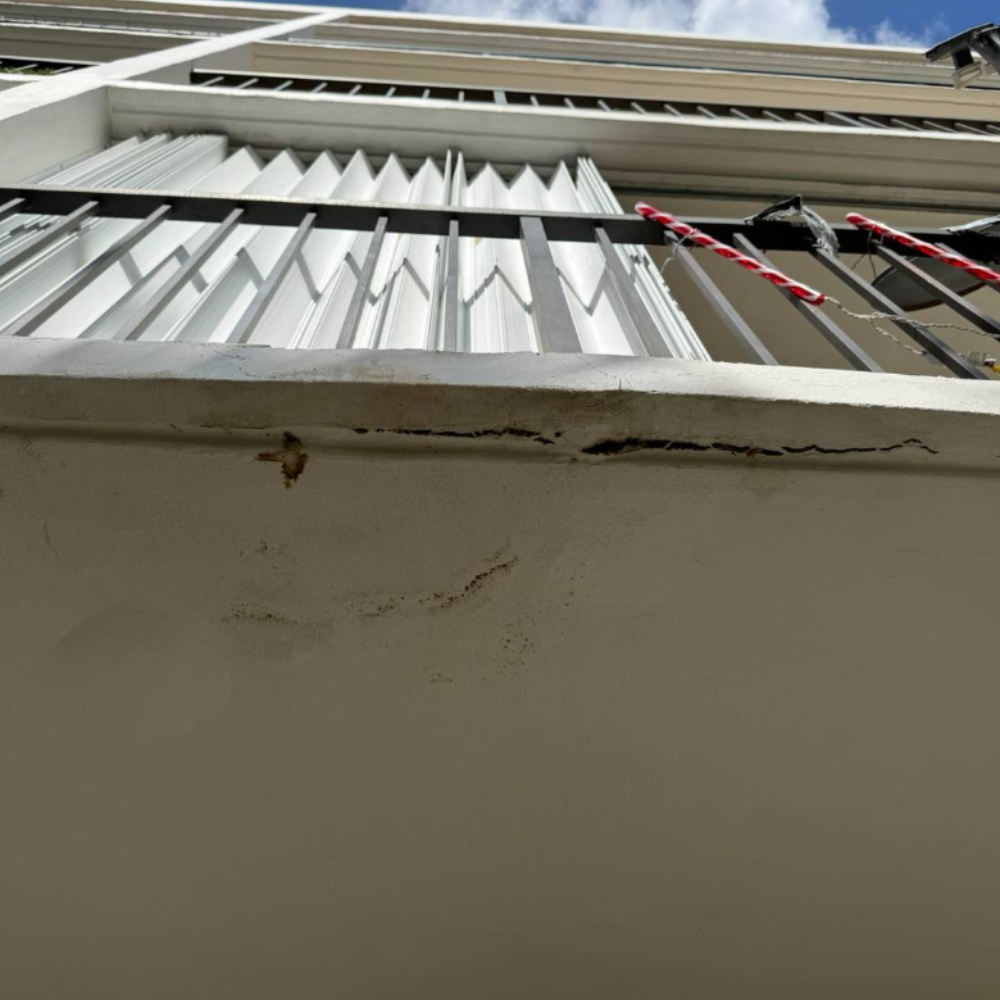
A milestone inspection is a structural evaluation designed to determine whether a building shows signs of substantial structural deterioration.
The requirement was originally created following the Surfside condominium collapse and applies to qualifying condominium and cooperative buildings throughout Florida.
Unlike routine maintenance inspections, milestone inspections focus specifically on the structural integrity of critical building systems, including:
- Structural walls
- Columns
- Floor systems
- Foundations
- Load-bearing components
- Structural supports
- Building framing systems
The goal is to identify deterioration before it creates safety risks for residents and visitors.
Which Buildings Must Complete a Milestone Inspection?
One of the most important clarifications under HB 913 is the building height threshold.
Florida’s current guidance specifies that milestone inspections apply to:
- Residential condominium buildings
- Cooperative buildings
- Mixed-ownership residential buildings
that contain three or more habitable stories.
This threshold replaced earlier confusion surrounding building height requirements and is now the primary determining factor for eligibility.
What Counts as a Habitable Story?
A habitable story generally includes floors designed for residential occupancy or living space.
Parking garages, mechanical floors, crawl spaces, and other non-habitable areas may not count toward the threshold, depending on the building’s design and local interpretation.
Associations uncertain about eligibility should consult a licensed engineer, architect, or local building department.
When Is a Milestone Inspection Required?
The statewide schedule remains largely unchanged.
Standard Schedule
A qualifying building must undergo:
- Its first milestone inspection at 30 years after the certificate of occupancy
- Subsequent inspections every 10 years
Coastal and Saltwater Areas
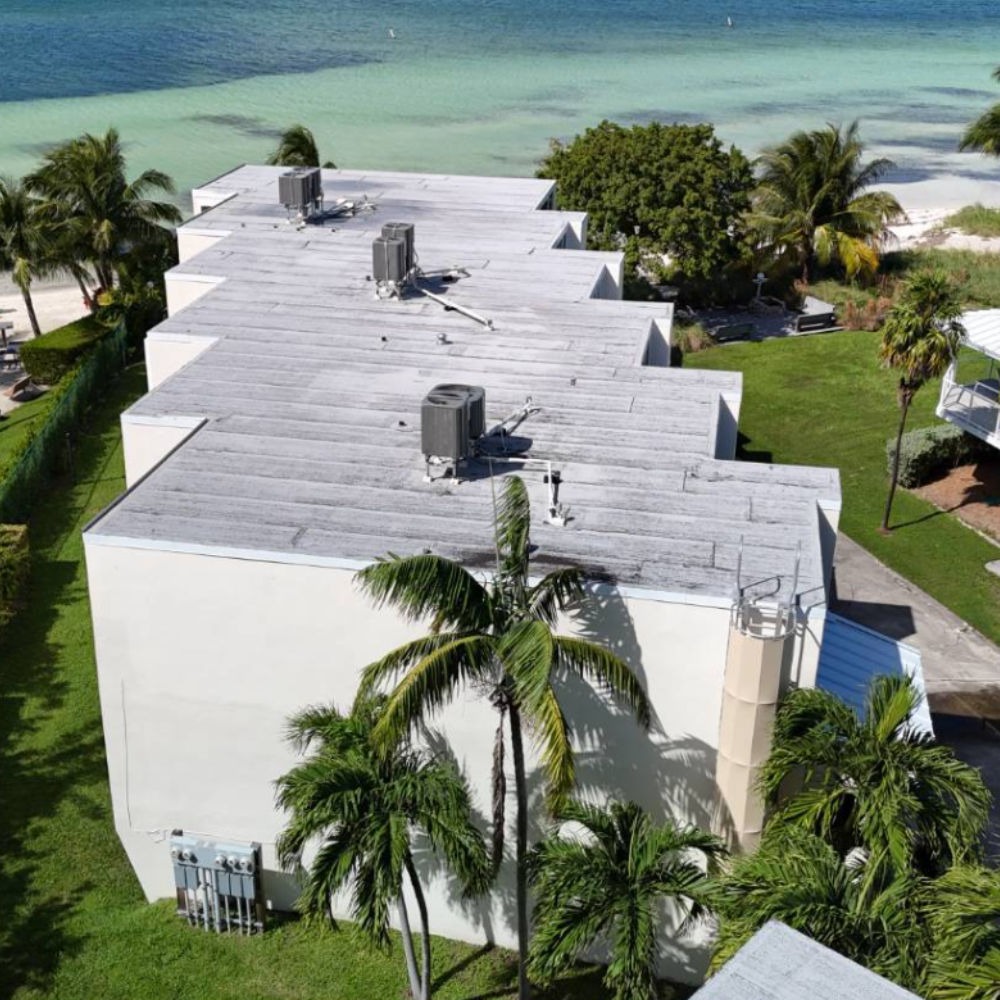
Local enforcement agencies may require the initial inspection at 25 years when local environmental conditions justify earlier evaluation.
This commonly affects buildings located near:
- Oceans
- Bays
- Intracoastal waterways
- Saltwater canals
- Coastal environments with elevated corrosion exposure
Because requirements can vary by jurisdiction, associations should verify local deadlines with their building department.
Which Buildings Are Due in 2026?
For most qualifying condominium buildings reaching 30 years of age during 2026, the practical assumption is that the milestone inspection must be completed by December 31, 2026.
However, associations should verify whether:
- A local 25-year rule applies
- A written notice has been issued
- An extension has been granted
- Additional local requirements exist
Waiting until late in the year may create scheduling challenges because engineering firms throughout Florida continue to experience high demand for milestone inspection services.
Important Past Deadlines Have Already Passed
Many older buildings were subject to catch-up compliance deadlines.
Buildings 30 Years Old Before July 1, 2022
Required deadline:
December 31, 2024
Buildings Reaching 30 Years Between July 1, 2022 and December 31, 2024
Required deadline:
December 31, 2025
Associations that missed these deadlines should consult legal counsel and local officials regarding compliance obligations.
What Happens After the Association Receives Notice?
The process begins when the local enforcement agency issues a written notice by certified mail.
Once notice is received:
Step 1: Notify Owners
The association must notify unit owners within 14 days.
Step 2: Complete Phase 1 Inspection
Phase 1 must be completed within 180 days after the owner or association receives the notice.
Step 3: Review Findings
If the inspection identifies no substantial structural deterioration, the process generally concludes until the next required cycle.
Step 4: Phase 2 Inspection
If substantial structural deterioration is discovered, a Phase 2 inspection becomes mandatory.
Phase 2 typically includes more detailed testing and engineering analysis to evaluate structural conditions and repair requirements.
New Repair Deadlines Under HB 913
One of the most significant provisions added by HB 913 involves repair accountability.
Local governments must now adopt ordinances requiring covered owners or associations to schedule or begin repairs within a specified timeframe after receiving a Phase 2 report.
Mandatory Repair Timeline
The statute requires repairs to commence within:
365 days after the local enforcement agency receives the Phase 2 report.
What Happens if Repairs Do Not Begin?
If repairs are not started within the required timeframe, the local enforcement agency must review whether the building may be unsafe for continued occupancy.
This creates increased pressure on associations to:
- Develop repair plans promptly
- Secure funding quickly
- Obtain permits without delay
- Coordinate engineering and construction teams efficiently
New Conflict-of-Interest Rules for Engineers and Contractors
HB 913 introduced additional transparency requirements intended to reduce conflicts of interest.
Design Professional Disclosure Requirements
Architects and engineers bidding on milestone inspections must disclose whether they intend to bid on related:
- Maintenance work
- Repair projects
- Replacement projects
Restrictions on Related Parties
Contractors and design professionals bidding on recommended repairs may not possess certain undisclosed interests in the inspection firm.
Potential consequences include:
- Voidable contracts
- Regulatory penalties
- Professional discipline
Associations should carefully review disclosures before executing inspection or repair agreements.
Annual Reporting Requirements for Local Governments
Florida’s local enforcement agencies now have annual reporting obligations.
By December 31 each year, agencies must submit milestone inspection data to the Florida Department of Business and Professional Regulation (DBPR).
Required reporting includes:
- Buildings requiring inspections
- Phase 1 completions
- Phase 2 completions
- Extensions granted
- Repair permit applications
- Unsafe building determinations
- Uninhabitable building determinations
These reports provide the state with a clearer picture of compliance trends and structural safety conditions.
Milestone Inspections vs. Structural Integrity Reserve Studies (SIRS)
One of the most common misconceptions among condominium boards is that milestone inspections and Structural Integrity Reserve Studies are the same thing.
They are not.
Purpose of a Milestone Inspection
A milestone inspection focuses on:
- Structural safety
- Structural deterioration
- Building integrity
- Immediate repair needs
Purpose of a SIRS
A Structural Integrity Reserve Study focuses on:
- Long-term capital planning
- Future repair costs
- Replacement schedules
- Reserve funding requirements
Together, these programs create a more comprehensive framework for building maintenance and financial preparedness.
Current SIRS Deadlines
The primary SIRS deadline for existing owner-controlled associations was extended to:
December 31, 2025
However, an important exception exists.
Associations required to complete a milestone inspection on or before December 31, 2026 may complete the SIRS concurrently, with an outside deadline of:
December 31, 2026
This coordination opportunity can reduce duplication of engineering and reserve-planning efforts.
Reserve Funding Rules in 2026
Reserve funding requirements remain one of the largest financial challenges facing Florida condominium associations.
For budgets adopted on or after December 31, 2024:
Associations generally cannot:
- Waive required SIRS reserves
- Underfund required reserve components
Additionally, associations that previously waived or reduced reserves are generally expected to begin funding required SIRS reserves beginning January 1, 2026.
New Funding Flexibility Under HB 913
HB 913 provides additional tools for associations facing major repair obligations.
Required reserves may now be funded through:
- Regular assessments
- Special assessments
- Lines of credit
- Loans
Owner approval remains necessary for:
- Special assessments
- Lines of credit
- Borrowing arrangements
Temporary Reserve Reduction Option
For budgets adopted on or before December 31, 2028, an association that completed a milestone inspection within the previous two calendar years may temporarily reduce or pause reserve contributions.
Requirements include:
- Majority approval of total voting interests
- Funds must be used for milestone inspection-related repairs
- Limited to two consecutive annual budgets
This provision provides short-term financial flexibility while addressing urgent structural issues.
2026 SIRS Threshold Adjustment
DBPR announced an inflation adjustment affecting reserve study thresholds.
For 2026:
- 2025 threshold: $25,000
- 2026 threshold: $25,675
Reserve professionals and associations should incorporate the updated threshold into future studies and budgeting analyses.
What Did Not Change in 2026?
Several proposed condominium bills received attention during the 2026 legislative session but ultimately failed.
SB 722
SB 722 proposed changes to structural integrity reserve study requirements.
Status:
Died in Regulated Industries on March 13, 2026.
SB 1498
SB 1498 addressed broader community association issues, including:
- Condominium records
- Electronic voting
- Turnover inspections
Status:
Died in Appropriations Committee on Agriculture, Environment, and General Government on March 13, 2026.
Because neither bill became law, current compliance requirements continue to be governed primarily by HB 913 and existing condominium statutes.
Due Diligence Checklist for Condo Boards
Boards and property managers should verify:
✓ Certificate of occupancy date
✓ Number of habitable stories
✓ Local milestone inspection deadlines
✓ Phase 1 inspection status
✓ Phase 2 inspection status
✓ Repair schedules
✓ Permit applications
✓ Reserve study completion
✓ Reserve funding compliance
✓ Financing plans for major repairs
Early planning can help avoid engineering backlogs, special assessment surprises, and enforcement actions.
What Buyers Should Review Before Purchasing a Florida Condo
For buyers, simply confirming that a milestone inspection occurred is no longer enough.
Request copies of:
- Phase 1 reports
- Phase 2 reports
- Structural engineering recommendations
- Repair schedules
- Special assessment notices
- Reserve studies
- Current budgets
- Loan agreements
- Permit records
The most significant risk is often not the inspection itself, but whether the building requires repairs and how those repairs will be funded.
A building with identified structural deterioration may face substantial future costs even if inspections have technically been completed.
Florida’s Milestone Inspections – Final Thoughts
Florida condominium milestone inspections remain one of the most important building safety requirements affecting associations in 2026. While no major new inspection legislation passed this year, HB 913 continues reshaping how inspections, repairs, reserve funding, and conflict-of-interest disclosures are handled throughout the state.
For associations, compliance now extends beyond completing inspections. Boards must also plan for repair timelines, reserve funding obligations, owner communications, and long-term structural stewardship.
For buyers, milestone inspection reports and reserve studies have become essential due diligence documents that can reveal both physical and financial risks before closing on a property.
Because local enforcement agencies retain authority to impose additional requirements and timelines, associations and purchasers should confirm all obligations with qualified engineers, legal counsel, reserve specialists, and local building officials before making compliance or investment decisions.
The Milestone Inspection Experts – Florida’s Condominium Inspections
- Phone: 941-391-5980
- Email: contact@fleng.com
- Address: 4161 Tamiami Trail, Suite 101, Port Charlotte, FL 33952
Connect With Us
Related Services
- Milestone Inspections
- Energy Calculation Services
- 25,30,40,50,60 Year Recertifications
- Pool Engineering Services
- Turnover Inspections
[This above text is for information purposes only and does not constitute engineering or legal advice. Please consult a professional engineer and licensed attorney for any specific answers to your questions about Milestone Inspections HB-913 and the legal obligations milestone inspections entail.]