

Introduction
For property owners and associations across Florida, 40-year recertification is a critical milestone that ensures structural and electrical safety. While the process protects occupants and extends building life, it also introduces a range of costs that can vary significantly based on building condition, location, and compliance gaps.
This guide provides a detailed, real-world cost breakdown for 2026, helping engineers, developers, and property stakeholders plan effectively and avoid unexpected financial risks.
1. What Is 40-Year Recertification in Florida
40-year recertification is a mandatory inspection process required in several Florida jurisdictions to verify that older buildings remain structurally and electrically safe.
Key Components:
- Structural integrity assessment
- Electrical system visual inspection and thermography
- Required repairs and compliance verification
- Parking Lot Illumination (Miami-Dade) Guardrail
High-Risk Note: Failure to comply can result in fines, forced evacuation, or building condemnation.
2. Total Cost Overview for 2026
Typical Cost Range (2026 Estimates):
- Small buildings (under 20 units): $5,000 to $15,000
- Mid-size buildings (20 to 100 units): $15,000 to $60,000
- Large buildings (100+ units): $60,000 to $250,000+
If Repairs Are Required:
- Costs can escalate to $500,000 to several million dollars depending on structural deficiencies
Inline Summary: Inspection costs are manageable, but repair costs drive the majority of expenses.
3. Structural Inspection Costs
What’s Included:
- Visual structural assessment
- Balcony and facade inspections
- Load and deterioration analysis
Cost Breakdown:
- Basic inspection: $3,000 to $10,000
- Advanced testing: $5,000 to $25,000
- High-rise detailed inspections: $20,000 to $75,000+
Key Cost Drivers:
- Building height and accessibility
- Visible damage or deterioration
- Need for destructive testing
4. Electrical System Inspection Costs

Scope:
- Main panels and subpanels
- Wiring condition and load capacity
- Grounding and safety compliance
- Fire hazard risk assessment
Cost Breakdown:
- Basic inspection: $2,000 to $8,000
- Infrared/thermal scanning: $1,500 to $5,000
- Comprehensive system audit: $5,000 to $15,000
Inline Summary: Electrical inspections are typically lower cost but critical for safety compliance.
5. Repair and Remediation Costs
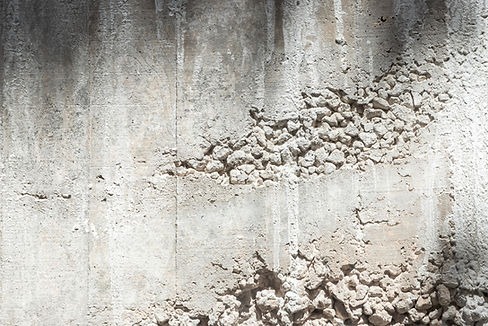
This is where costs can escalate significantly.
Common Repairs:
- Concrete spalling and corrosion repair
- Balcony and railing replacement
- Waterproofing and sealing
- Structural reinforcement
- Electrical rewiring or panel upgrades
Cost Estimates:
- Minor repairs: $10,000 to $100,000
- Moderate repairs: $100,000 to $500,000
- Major structural rehab: $500,000 to $3M+
High-Risk Note: Delayed repairs can worsen structural damage and multiply costs exponentially.
6. Hidden and Secondary Costs
Many property owners underestimate these additional expenses:
Often Overlooked Costs:
- Permit fees and filing costs
- Engineering re-reviews and revisions
- Temporary relocation of residents
- Legal and compliance consulting
- Insurance premium increases
Estimated Range:
- $5,000 to $50,000+ depending on complexity
7. Cost Variables by Building Type and Condition
Key Factors Influencing Cost:
- Age and maintenance history
- Coastal exposure (saltwater corrosion risk)
- Construction type (concrete vs steel vs wood)
- Previous renovations or code compliance
- Accessibility for inspection teams
8. Budgeting and Cost-Control Strategies
Practical Steps:
- Conduct pre-inspection assessments before official recertification
- Address minor issues early to avoid escalation
- Build reserve funds well before the 30-year mark
- Work with experienced Florida-based engineers
- Use phased repair strategies where permitted
- Perform preventative maintenance
9. Risks, Compliance Issues, and Financial Exposure
Major Risks:
- Structural failure or safety hazards
- Regulatory fines and penalties
- Loss of occupancy certification
- Litigation from residents or stakeholders
High-Risk Note: Non-compliance after deadlines can result in forced evacuation orders.
Mitigation:
Engage licensed structural and electrical engineers
Maintain continuous inspection records
Schedule recertification well ahead of deadlines
10. FAQs
How long does 40-year recertification take?
Most 40-Year Recertifications take 1 day to complete, in some cases multiple days depending on the size of the property. Reports take 2-3 weeks to complete and submit.
Can costs be reduced?
Yes. Early maintenance, phased repairs, and pre-inspections significantly reduce total costs by identifying and addressing issues before they escalate.
Is recertification required statewide?
Requirements vary by county and municipality, with stricter enforcement in South Florida regions like Miami-Dade, Broward and Monroe County.
40-year recertification is not just a regulatory requirement, it is a financial and safety turning point for any building. While inspection costs are predictable, repair costs can vary dramatically based on maintenance history and environmental exposure.
The most successful property owners take a proactive approach, budgeting early, conducting pre-inspections, and addressing risks before they become costly liabilities.
Build with confidence, partner with Florida Engineering LLC today.
Disclaimer
This article reflects the opinions and interpretations of Florida Engineering LLC and does not constitute legal or safety advice.