


A turnover inspection report is one of the most critical risk-management tools for Florida condominium associations during the transition from developer to unit-owner control. In 2026, with heightened structural safety awareness, stricter enforcement, and rising litigation, these inspections are no longer optional in practice. They are essential for protecting life safety, financial stability, and long-term asset value.
This article explains what a turnover inspection report is, what Florida law requires, how the process works, common deficiencies uncovered, and how boards can act strategically at turnover.
What Is a Turnover Inspection Report?
A turnover inspection report is an independent engineering evaluation of a condominium’s:
- Structural systems
- Building envelope
- Life-safety components
- Code compliance at the time of original construction
It is typically commissioned by the condominium association shortly after unit owners take control from the developer. The goal is to identify construction defects, code violations, or deferred conditions that may be the developer’s responsibility to correct or fund.
In Florida, this inspection is closely tied to statutory rights related to:
- Warranty claims
- Construction defect litigation
- Negotiated settlements with developers
Why Turnover Inspections Matter More in Florida
Florida’s condominium environment is unique due to:
- High-rise coastal exposure
- Aggressive corrosion conditions
- Complex structural systems
- Strict statutory timelines
Following recent structural failures and legislative reforms, Florida regulators and insurers increasingly expect associations to demonstrate documented due diligence immediately after turnover.
Failure to perform a proper turnover inspection can:
- Waive defect claims
- Shift repair costs to unit owners
- Expose board members to fiduciary risk
Florida Statutory Framework Governing Turnover
Key Legal Requirements
Under Florida Statutes Chapter 718 (Condominium Act), developers must:
- Turn over control of the association once a statutory percentage of units are sold
- Provide construction documents, permits, warranties, and financial records
- Allow associations to pursue claims for construction defects within defined limitation periods
While Florida law does not explicitly mandate a “turnover inspection report” by name, case law and industry practice strongly support it as the primary mechanism for exercising statutory rights.
High-Risk Note: Statutes of repose and limitation may begin running before boards fully understand building conditions. Delays can permanently eliminate recovery options.
What a Florida Condo Turnover Inspection Includes
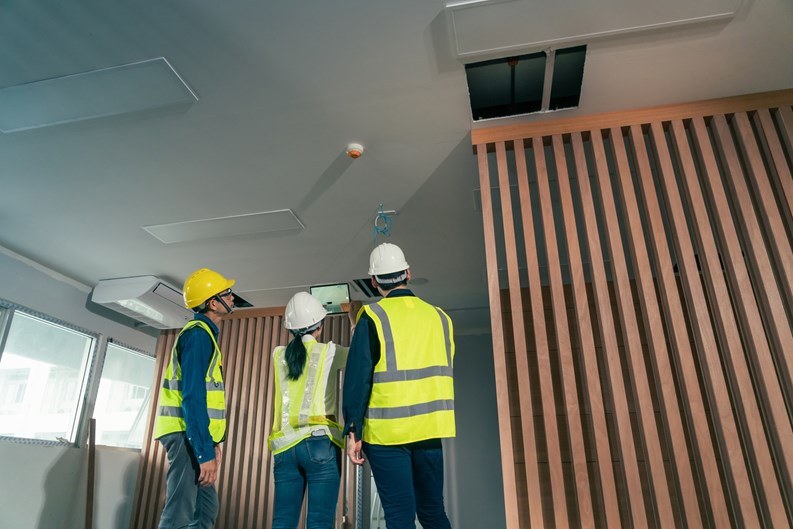
A comprehensive turnover inspection typically evaluates the following systems:
Structural Components
- Foundations and piles
- Concrete slabs, beams, columns
- Post-tension systems
- Balconies and cantilevers
- Parking garages
Building Envelope
- Roofing systems
- Waterproofing membranes
- Exterior walls and cladding
- Windows, doors, and glazing
- Sealants and expansion joints
Life-Safety and Code Items
- Fire-resistive assemblies
- Means of egress
- Guardrails and handrails
- Emergency lighting
- Fire separation between units
Civil and Site Features
- Drainage and grading
- Retaining walls
- Pavements and sidewalks
- Seawalls (if applicable)
Documentation Review
- Approved construction drawings
- Shop drawings and submittals
- Change orders
- Certificates of occupancy
- Special inspection reports
Who Performs a Turnover Inspection?
Turnover inspections should be performed by:
- Licensed Florida professional engineers
- Firms experienced in condominium defect analysis
- Engineers independent of the developer
Many associations engage structural engineering firms with forensic and litigation-support experience, as findings often form the basis of legal claims.
Common Deficiencies Found in Florida Condo Turnover Reports

Based on statewide inspection trends, recurring deficiencies include:
- Concrete Deterioration
- Inadequate cover over reinforcing steel
- Early corrosion in coastal environments
- Improper concrete placement or curing
- Water Intrusion
- Failed balcony waterproofing
- Inadequate roof slope or drainage
- Window and door flashing errors
- Code Non-Compliance
- Guardrail height violations
- Improper fire-rated assemblies
- Incomplete firestopping
- Design vs. Construction Deviations
- Unapproved substitutions
- Missing structural elements
- Improper post-tension installation
High-Risk Note: Latent defects may not be visible without invasive testing. Limited inspections can underestimate future repair exposure.
Turnover Inspection Process Step-by-Step
Step 1: Board Authorization
The association board formally authorizes the inspection and budget allocation.
Step 2: Engineer Selection
Select a qualified, independent Florida-licensed engineering firm.
Step 3: Document Collection
Gather developer-provided records and construction documents.
Step 4: Field Investigation
Engineers perform visual surveys, selective testing, and measurements.
Step 5: Deficiency Analysis
Observed conditions are compared against:
- Florida Building Code in effect at permit issuance
- Approved plans and specifications
- Industry standards
Step 6: Turnover Inspection Report Issuance
The final report typically includes:
- Executive summary
- Detailed findings
- Photographic documentation
- Code references
- Recommended corrective actions
- Probable repair cost ranges
Using the Turnover Inspection Report Strategically
The report can be used to:
- Demand repairs from the developer
- Support pre-suit notices under construction defect law
- Negotiate financial settlements
- Plan reserve funding realistically
- Prioritize life-safety repairs
Associations often work with construction attorneys to align engineering findings with legal strategy.
Best Practices for Florida Condo Boards
- Initiate inspections immediately after turnover
- Avoid developer-recommended engineers
- Budget for invasive testing where warranted
- Coordinate engineering and legal timelines
- Communicate findings transparently with owners
A turnover inspection report is not just a technical document. It is a financial, legal, and safety safeguard for Florida condominium communities. In 2026, proactive boards treat turnover inspections as essential infrastructure governance, not optional due diligence.
Build with confidence. Protect your community. Partner with Florida Engineering LLC to navigate condominium turnover with clarity and authority.
Disclaimer
This article reflects the opinions and interpretations of Florida Engineering LLC and does not constitute legal or safety advice.