

Florida’s buildings face some of the harshest structural stressors in the United States. Heat, humidity, hurricanes, salt exposure, and aging construction all compound risk. Routine structural inspections in Florida are one of the most effective ways to prevent sudden, expensive emergency repairs that disrupt operations, endanger occupants, and inflate long-term costs. This guide explains how inspections work, why they matter, and how proactive owners save money and reduce liability.
Why Florida Buildings Are Uniquely Vulnerable
Florida’s environment accelerates deterioration in ways many owners underestimate.
Key stressors include:
- Salt-laden air near the coast that speeds corrosion of steel and rebar
- High humidity and heat that degrade concrete and protective coatings
- Hurricanes and tropical storms that introduce hidden structural damage
- High groundwater levels that affect foundations and slabs
Without routine inspections, minor defects often go unnoticed until they become emergencies.
What Is a Structural Inspection?
A structural inspection is a professional evaluation of a building’s load-bearing systems to identify deterioration, distress, or code non-compliance before failure occurs.
Typical elements reviewed
- Foundations and slabs
- Columns, beams, and load-bearing walls
- Roof framing and connections
- Balconies, stairs, and elevated slabs
- Concrete cracking, spalling, and corrosion
- Signs of movement, settlement, or water intrusion
Inspections are conducted by licensed professional engineers who document findings and recommend corrective actions.
How Inspections Prevent Emergency Repairs
1. Early Detection of Hidden Damage
Most structural failures are not sudden. They evolve silently.
Examples of early-stage issues:
- Hairline concrete cracks that indicate corrosion beneath
- Minor water intrusion leading to steel deterioration
- Subtle deflection in beams or slabs
When caught early, repairs are typically localized and planned, not reactive and disruptive.
2. Reduced Repair Scope and Cost
Emergency repairs often involve:
- Overtime labor
- Temporary shoring or evacuation
- Accelerated permitting
- Business interruption
By contrast, scheduled repairs allow:
- Competitive contractor bidding
- Phased construction
- Minimal operational disruption
Cost difference: Planned repairs can cost 40–70 percent less than emergency structural interventions.
3. Compliance With Florida Safety Requirements
Florida has implemented stricter inspection laws in recent years, particularly for aging multifamily buildings.
Notable requirements include:
- 40-year and 50-year recertifications in many jurisdictions
- Milestone inspections for condominiums three stories or higher
- Mandatory structural integrity reserve studies
Failure to inspect can result in:
- Fines and enforcement actions
- Forced evacuations
- Emergency repair mandates at premium costs
4. Protection Against Sudden Building Closure
Structural emergencies can trigger:
- Condemnation notices
- Red-tagging by building officials
- Insurance coverage disputes
Inspections provide documented evidence that owners are exercising due diligence, which can be critical during regulatory or insurance reviews.
Common Emergency Repairs That Inspections Prevent
| Emergency Repair Type | Root Cause | Preventable With Inspection |
|---|---|---|
| Balcony collapse | Rebar corrosion | Yes |
| Garage slab failure | Chloride intrusion | Yes |
| Foundation settlement | Drainage issues | Yes |
| Roof structural damage | Connection failure | Yes |
| Façade falling hazards | Concrete spalling | Yes |
Visual Examples of Early vs Advanced Damage

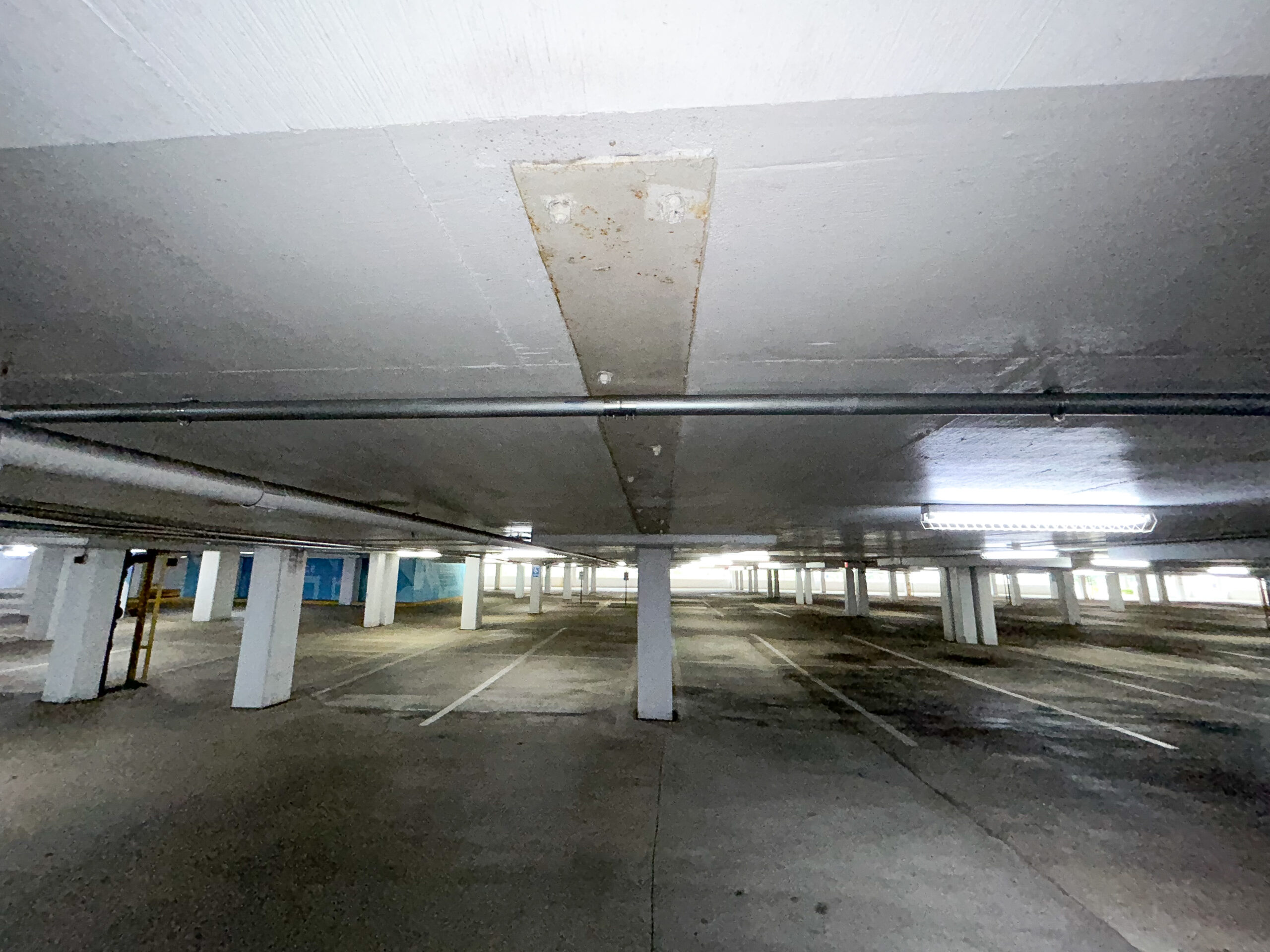
Early-stage damage is often subtle but significantly cheaper to address than advanced failure.
The Financial Case for Inspections
Short-Term Costs vs Long-Term Savings
A typical structural inspection represents a fraction of one percent of a building’s replacement value. Emergency repairs, by contrast, can reach millions.
Financial benefits include:
- Lower repair costs
- Predictable capital planning
- Reduced insurance risk
- Preserved property value
For income-producing properties, inspections protect revenue continuity.
Insurance and Liability Implications
Insurers increasingly scrutinize building condition in Florida.
Routine inspections can:
- Support underwriting renewals
- Reduce claim disputes
- Demonstrate owner responsibility
High-risk note: Failure to inspect may be used against owners in litigation following structural incidents.
When Should Florida Buildings Be Inspected?
Recommended Inspection Triggers
- Building age exceeds 20–25 years
- After major storms or hurricanes
- Prior to property acquisition
- Before major renovations or load changes
- When visible cracking, rust, or leaks appear
Waiting for obvious failure is almost always the most expensive option.
Who Should Perform Structural Inspections?
Only licensed professional engineers with experience in Florida’s environmental and regulatory conditions should conduct inspections.
Qualified firms understand:
- Local building codes
- Coastal corrosion mechanisms
- Florida-specific inspection statutes
Many property owners work with Florida Engineering LLC for inspection programs designed to meet both safety and compliance needs.
Case Example: Planned Repair vs Emergency Repair
Scenario: Coastal condominium parking garage
- With inspection:
- Early corrosion detected
- $180,000 phased repair over 12 months
- Without inspection:
- Slab failure and emergency shoring
- $1.2 million repair plus partial garage closure
The inspection paid for itself many times over.
Addressing Common Owner Concerns
“Inspections will force expensive repairs.”
In reality, inspections give owners control over when and how repairs happen.
“Our building looks fine.”
Many structural issues are invisible without professional evaluation.
“We’ll wait until next year.”
Deferring inspections often increases repair scope and cost.
Actionable Steps Owners Can Take Today
- Review your building’s age and inspection history
- Schedule a baseline structural inspection
- Develop a prioritized repair and maintenance plan
- Budget for phased corrective work
- Repeat inspections at recommended intervals
Conclusion: Prevention Is the Most Cost-Effective Repair Strategy
In Florida’s demanding environment, structural inspections are not optional safeguards, they are financial protection tools. They prevent emergencies, protect occupants, and give owners control over costs instead of reacting under pressure.
Build with confidence. Plan with clarity. Partner with experienced engineers to protect your property before small issues become major emergencies.
Disclaimer
This article reflects the opinions and interpretations of Florida Engineering LLC and does not constitute legal or safety advice.